- NonToxic Dad Newsletter
- Posts
- Non-Toxic Dad News: March 5, 2026
Non-Toxic Dad News: March 5, 2026

Warren Phillips
March 05, 2026
 | Brought to you by: |
Hello Non-Toxic Friends!
There’s something about this time of year that makes you want to dig in, literally.
Gardening is one of the simplest, most practical non-toxic lifestyle shifts you can make. It lowers your chemical load, reduces reliance on sprayed produce, and reconnects you to the rhythms that modern life has tried to sterilize out of existence. Whether you’re starting tomato seedlings on a kitchen counter, building raised beds in a small backyard, or growing herbs in a city window box, planting something edible or medicinal changes how you relate to food. |  |
Organic planting matters. Most conventional soil mixes and nursery plants are treated with synthetic fertilizers, herbicides, or systemic pesticides that you won’t see listed clearly on the tag. Choosing clean potting soil, untreated seeds, and organic methods protects your family and supports soil biology rather than disrupting it. Healthy soil is alive, and that life translates directly into nutrient-dense food.
There’s also a deeper layer here. Soil contains diverse microbes, including soil-based organisms that interact with our immune system and microbiome. When kids make mud pies, when you transplant seedlings with bare hands, when you kneel down and breathe in that earthy smell, you’re not just gardening. You’re exposing your body to environmental microbes that help train immune resilience. Clean living does not mean sterile living.
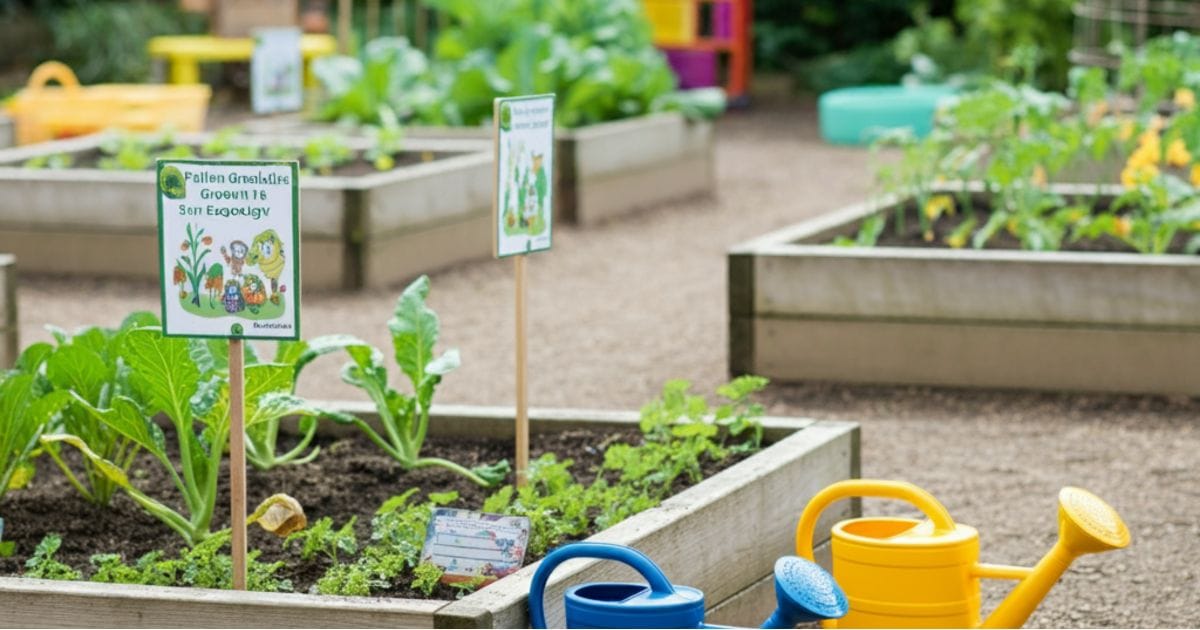
Even small spaces count. Raised beds make backyard gardening manageable and productive. Window boxes can supply herbs, lettuces, and microgreens for apartment dwellers. Indoor plants like snake plants help improve indoor air quality while
What’s happening
Care about your furry best friend? Then definitely check out this podcast where we talk about the toxins in your home that can impact their health and wellbeing.

BIG NEWS over here at Non-Toxic Dad. I finally made a candle, and I am genuinely excited about this one. Uplift is completely toxin-free and crafted to support clarity, calm, and a grounded state of mind without synthetic fragrances or hidden junk in the wax. If you want to try it, you can grab yours for 15% off using code NONTOXICDAD and bring a cleaner, clearer burn into your home.

Also… be sure to check the Non-Toxic Dad’s Instagram page on Sunday for a giveaway with my favorite juice company!
Did You Know? Healthy Soil Is Alive.
A single teaspoon of quality garden soil can contain billions of microorganisms, including soil-based organisms that interact directly with the human immune system. These microbes help train immune tolerance, support inflammatory balance, and contribute to a more resilient gut microbiome. Modern life has dramatically reduced our contact with natural soil through indoor living, antibacterial products, and over-sanitized environments.

Gardening restores that exposure in a safe, practical way. When you transplant seedlings, pull weeds, or simply dig your hands into the dirt, you are engaging with a diverse microbial ecosystem. Research has shown that exposure to environmental microbes, especially in childhood, plays a role in immune development and may help reduce the risk of allergies and autoimmune conditions.
And yes, kids making mud pies counts.
Unstructured play in dirt introduces children to beneficial environmental microbes while strengthening sensory development and stress regulation. Soil contact has even been associated with improved mood, likely due to interactions between certain soil organisms and serotonin pathways. Clean living does not require sterile living.
Sometimes the most powerful immune support looks like bare feet, messy hands, and a backyard full of dirt.
Blog Spotlights
Safer Spring Gardening Made Simple

Spring has a way of resetting priorities. Windows open. Light shifts. You start noticing the stale corners of winter and feel the urge to grow something living. Whether you have acreage, a modest suburban yard, or a small apartment balcony, spring gardening is one of the most practical ways to lower your toxic load, improve food quality, and reconnect with how things actually grow.
The Hidden Toxicity in Dental Floss

We pay attention to what we eat. We filter our water. Some of us swap out non-stick pans and plastic containers. But then, twice a day, we slide a synthetic, chemical-coated thread between our teeth without a second thought. Dental floss is one of those products that feels harmless by default. It’s minor and routine. Every dentist recommends it. But when you look closer at what most conventional floss is made from, the story gets uncomfortable fast. Flossing is essential for oral health, but that doesn’t mean all floss is created equal.
What “Retained Water” Really Means on Packaged Chicken Labels

If you buy conventional packaged chicken, there’s a small line of text on the label that most people never notice. It usually says something like “Retained Water: 2%–8%.” It sounds harmless, almost technical, like standard industry language that doesn’t require a second thought. But that small disclosure reveals a lot about how your chicken was processed and what you’re actually paying for.
Non-Toxic Tip of the Week
🌿 Spring Gardening Tip of the Week
Ready to grow something? Whether you have acres or an apartment balcony, here’s your non-toxic spring gardening checklist:
✅ 🌱 Start with Organic Soil
Choose certified organic potting soil free from synthetic fertilizers, sewage sludge, and pesticide residues. Healthy soil equals healthy plants, stronger root systems, and more nutrient-dense food. Look for compost-rich blends with worm castings and natural amendments instead of chemical boosters.
✅ 🌿 Start Seedlings Indoors Now
Tomatoes, peppers, basil, and herbs thrive when started early in trays near a sunny window. Use a clean seed-start mix and avoid treated seeds whenever possible. Transplant once roots are established and outdoor temperatures stabilize.
✅ 🪴 Raised Beds for Small Yards
Raised beds improve drainage, reduce weed pressure, and allow you to control soil quality. They are perfect for compact suburban spaces and can dramatically increase yield per square foot. Even one 4x4 bed can produce herbs, greens, and seasonal vegetables.
✅ 🏙️ Window Boxes for City Living
No backyard? No problem. Lettuce, arugula, microgreens, and herbs thrive in window boxes or balcony planters. South-facing windows offer the best light exposure, but even partial sun can produce fresh herbs year-round.
✅ 🌾 Go Vertical with Plant Towers
Vertical growing systems maximize space and work beautifully on patios or small decks. They allow you to grow strawberries, herbs, and greens without sacrificing square footage. Perfect for urban families who want food production without a full garden footprint.
✅ 🐍 Add Air-Clearing Plants Indoors
Snake plants are hardy, low-maintenance, and help improve indoor air quality. They tolerate low light and are excellent for bedrooms and living spaces. Cleaner indoor air plus living greenery is a win.
✅ 👩🌾 Get Your Hands in the Dirt
Skip the gloves occasionally. Soil-based organisms support microbiome diversity and immune resilience. Let kids dig, plant, and yes, even make mud pies.
My Go-To Product for Spring Gardening:

Non-Toxic Recipe of the Week

Salted Maple Latte
There’s something grounding about a really good cup of coffee made the right way.
This week’s recipe is simple, clean, and surprisingly elevated. We’re making a Salted Maple Latte using organic maple syrup in a glass bottle, a pinch of mineral-rich Colima sea salt, and a fresh espresso shot pulled directly over the top so the salt melts into the sweetness. It’s rich, balanced, and free from artificial syrups and questionable additives.
If you’re going to drink coffee daily, make it count.
Coffee is one of the most sprayed crops in the world, and many brands can contain mold toxins and pesticide residues. That’s why I’m picky about what I drink.
Lifeboost Coffee is organic, shade-grown, and third-party tested for mold and contaminants so you can enjoy a cleaner cup every morning.
 |  |
 |  |
In Closing,
Gardening has a way of slowing everything down.
It reminds us that growth takes time, that good soil matters, and that small daily actions compound into something tangible and nourishing. You do not need perfection, acres of land, or a flawless setup to start. A packet of seeds, a bag of organic soil, a raised bed, a window box, or even one hardy houseplant is enough to begin. |  |
This season, let’s choose living systems over sterile ones. Let’s give our kids permission to get muddy. Let’s grow herbs on the windowsill, tomatoes in raised beds, and resilience from the ground up.
Start small. Get your hands in the dirt. And grow from there.
Warren (Non-Toxic Dad)